
 E-mail us
History Interviewed
Historical Executive Protection Interview Series
The EPTraining.us Historical Executive Protection Interview Series
The Interviewer Is Real. The Interview Is Simulated. The Answers Are Grounded in Documented Historical Evidence.
By Matthew C. Parker
CEO and Director of Training
EPTraining.us / Independent Security Advisors LLC
Bottom Line Up Front: Let’s Go Back in Time
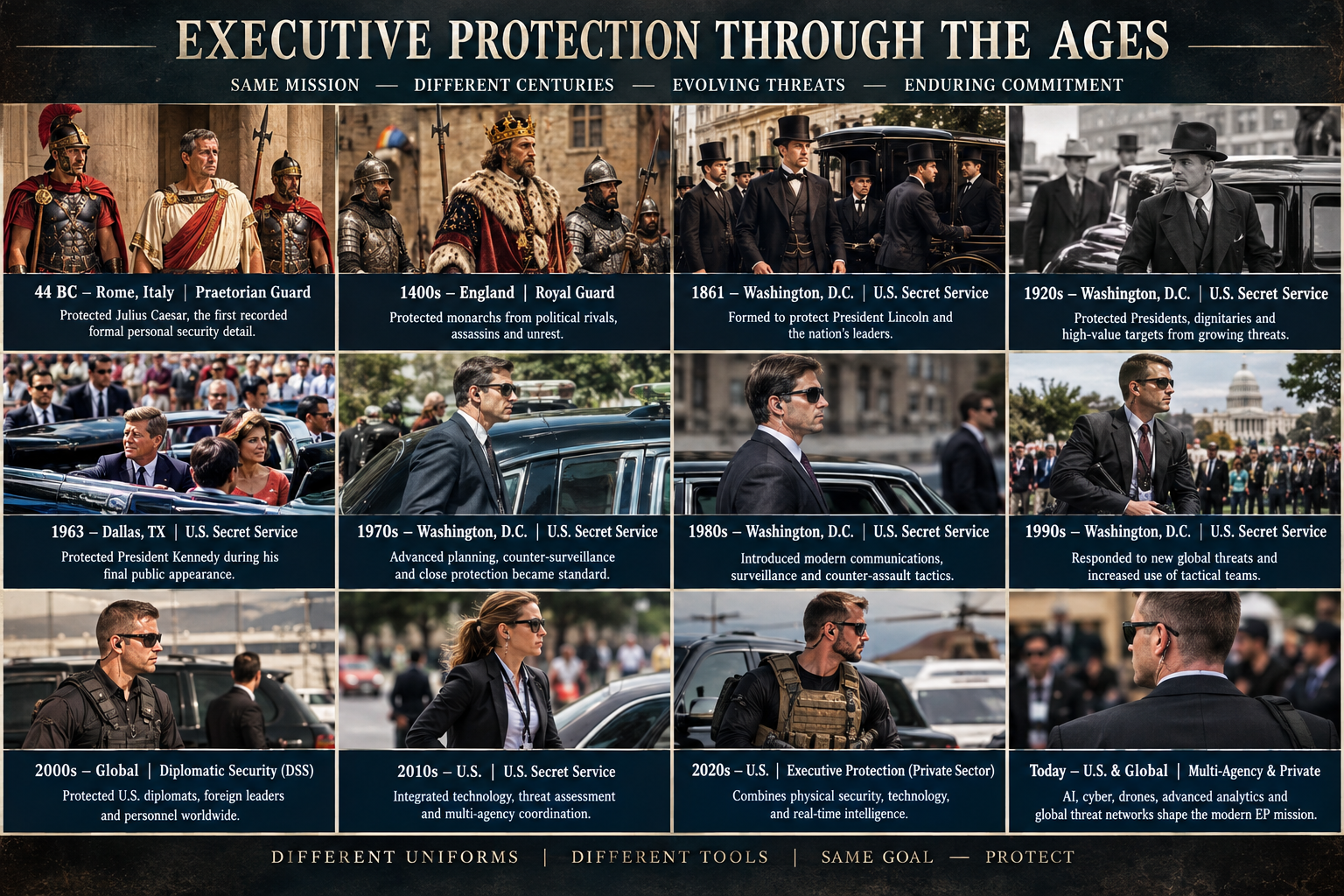 Let’s go back in time. The EPTraining.us Historical Executive Protection Interview Series uses extensive historical research, including first-person accounts, along with AI and a virtual-persona creation program to open a door into history and allow us to examine historical events from an executive protection point of view.
We may or may not already know about these events or how they ended. Either way, we go back and look at the people, circumstances, threats, intelligence, security, and decisions surrounding the event, but most importantly, we try to understand it from the perspective of the person being interviewed. What did that person know, what did they believe was happening, what were they responsible for, what information was available to them at the time, and how did they understand the people, threats, and decisions around them?
The interview allows us to ask those questions directly. The conversation is simulated, but the answers are not simply invented to move the story along. They are reconstructed from documented historical evidence and written to reflect what that person could reasonably have said based on the historical record.
The Interviewer Is Real. The Interview Is Simulated. The Answers Are Grounded in Documented Historical Evidence.
Reader Navigation
- Why We Created the Series
- The Interview Is About Perspective
- How the Historical Interviews Work
- Research Comes First
- AI Is Not the Historical Source
- The Historical Record Controls the Answer
- We Have to Stay Inside Their Time
- Why the Interviewer Matters
- Sometimes the Historical Person Was Right
- What the Images Are—and What They Are Not
- What We Want Readers to Take From the Series
- Frequently Asked Questions
- The Bottom Line
- Historical Reconstruction Notice
- Related EPTraining.us Resources
Why We Created the Series
Executive protection changes. Equipment improves, communications improve, transportation changes, intelligence systems become more capable, and modern protection teams have access to resources historical figures never had. The underlying human problems, however, are much older.
Leaders have always had to make decisions about access, trust, movement, security, public appearances, family, political risk, military threats and the people around them. Those decisions were made within the political, social, military and technological conditions of their own time.
I did not want to simply retell a historical incident and then add a few paragraphs explaining what an executive protection professional should learn from it. I wanted the person at the center of the event to become part of the examination.
If we are talking with George Washington, I want to understand the problem as Washington may have understood it. If we are talking with Napoleon, I want to understand how Napoleon viewed his security, the people around him, the threats he faced and the decisions he made. If we are talking with someone who protected a president, judge, general or another leader, I want to understand the event from that person’s position inside it.
That gives the reader something different from a traditional historical case study.
The Interview Is About Perspective
The purpose of the interview is not to make a historical figure sound like a modern executive protection instructor. It is to allow that person to explain the event from his or her own perspective as far as the historical evidence allows us to reconstruct it.
A person living through an event did not know everything we know today. They did not have the investigation that came afterward, the books written decades later or the historical arguments that developed over time. They knew what they knew then, and their decisions were made from that position.
If we interview a leader, a member of the security team, someone close to the principal, or a person involved in the failure, we want to understand the event from that individual’s perspective. What did they believe was happening, what did they know at the time, how did their responsibilities or relationships affect the decisions they made, and how did they understand the outcome from where they stood? That perspective is what the interview is intended to reconstruct from the historical evidence.
How the Historical Interviews Work
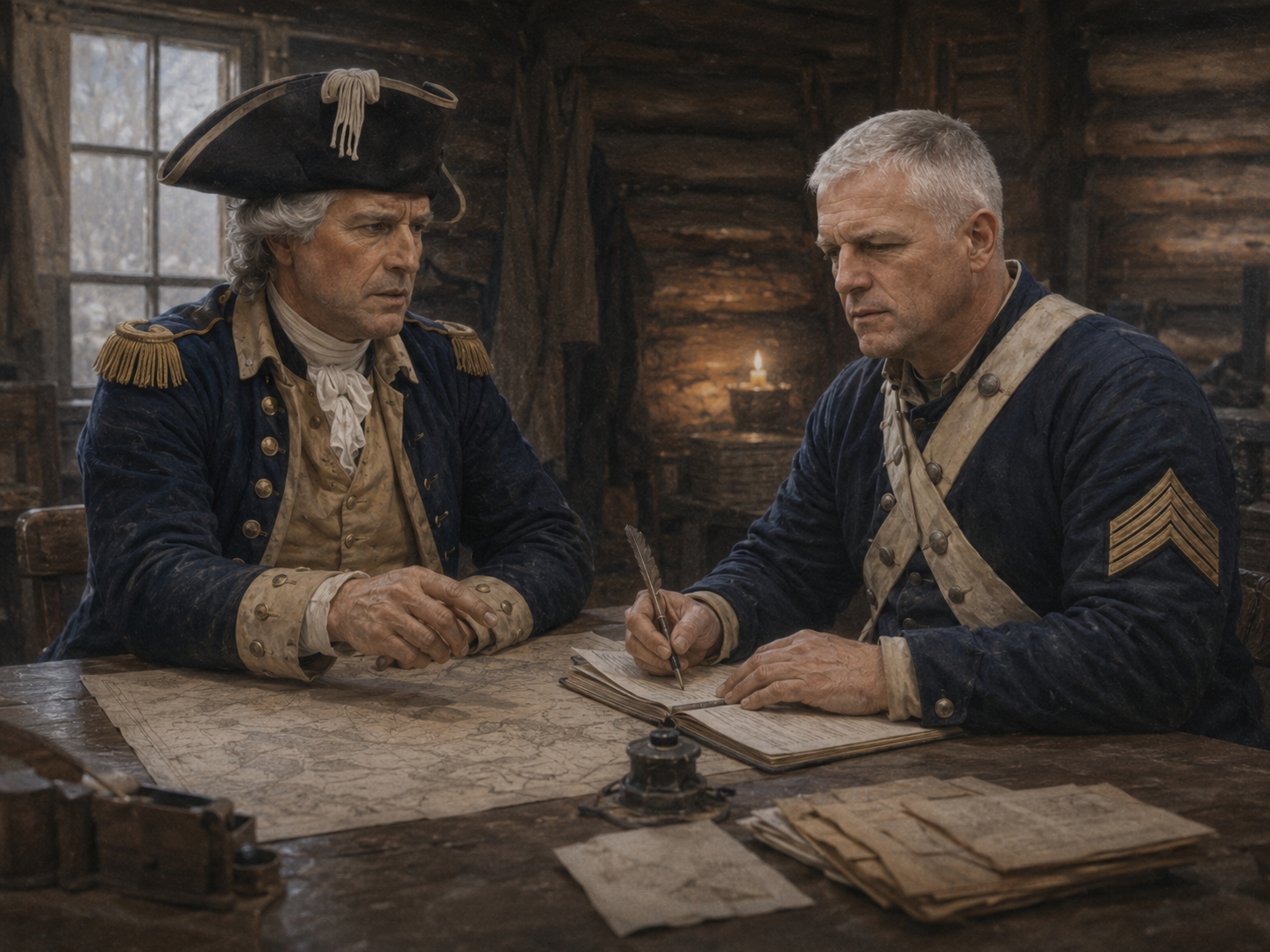
The historical interview is a reconstruction. I am not claiming that George Washington, Napoleon, Augustus Caesar or any of the other historical figures in this series actually sat down and spoke with me. The interview format gives us a way to organize historical evidence into a conversation and allow the reader to follow the event through the eyes of the person being interviewed.
The questions come from a real interviewer. In many of the early articles, that interviewer is me. The answers come from the historical record.
We use first-person accounts, letters, diaries, memoirs, court records, military records, government documents, contemporary reporting, biographies, archival sources and other credible historical material to determine what the person knew, what they experienced, what they believed and what they could reasonably have said.
Research Comes First
This project does not begin by asking artificial intelligence to pretend to be a dead president, general, judge, executive or monarch. It begins with research. Depending on the case, we examine books, biographies, correspondence, speeches, testimony, government records, military records, court records, presidential-library material, contemporary newspapers, photographs, archival collections and other credible historical sources.
Where primary sources are available, we use them. Where accounts conflict, we compare them. Where the historical record is incomplete, we say so. Only after the research is assembled do we begin constructing the interview.
The methodology follows a simple sequence: historical evidence, independent research, source analysis, research-grounded virtual profile, reconstructed interview, executive protection case study and modern lesson. That order matters because the technology is not being asked to invent the history. The history controls the technology.
Once that research is assembled, we use it to build a research-grounded virtual profile based on the person’s documented writings, statements, correspondence, decisions, relationships, responsibilities, circumstances and demonstrated behavior. The objective is not to create a fictional character. It is to build the best evidence-based model we can of the person who actually lived and use that model to help reconstruct a historically defensible response to questions they were never actually asked.
AI Is Not the Historical Source
There is a legitimate concern whenever artificial intelligence is used in historical work. A convincing answer can still be wrong. A polished response can sound authoritative even when the evidence behind it is weak. That is why the research has to come first and why the technology has to remain subordinate to the evidence.
AI can help organize large amounts of information, compare material, identify relationships among sources, develop questions and construct a research-grounded model of a historical person. What it cannot do is turn an unsupported statement into historical fact. If the historical record says one thing, the interview should not say something else simply because the alternative would make a better story. If two credible sources disagree, the disagreement belongs in the analysis. If we do not know what someone thought, the responsible answer is that we do not know.
Readers should question the work. If we missed a primary source, I want to see it. If someone believes we misread a document or that a reconstructed answer conflicts with the person’s documented statements or behavior, show us the evidence. That is how the project improves. “The AI said so” is not evidence. The answer has to be found in the historical record.
AI is not the historical source. The historical record is the source.
The Historical Record Controls the Answer
The historical evidence places limits on what the interview can say. If the record shows that a person made a statement, issued an order, wrote a letter or described an event, that information can help shape the answer. If the record shows what the person did but not exactly what they thought, the reconstructed answer has to stay within what those actions and circumstances reasonably support.
If the evidence is uncertain, the interview should reflect that uncertainty. If historians disagree, we should not quietly choose the version that gives us the best story, and if information became known only after the event, we cannot simply give that information back to the person being interviewed.
That would defeat the purpose of trying to understand the event from that person’s perspective.
We Have to Stay Inside Their Time
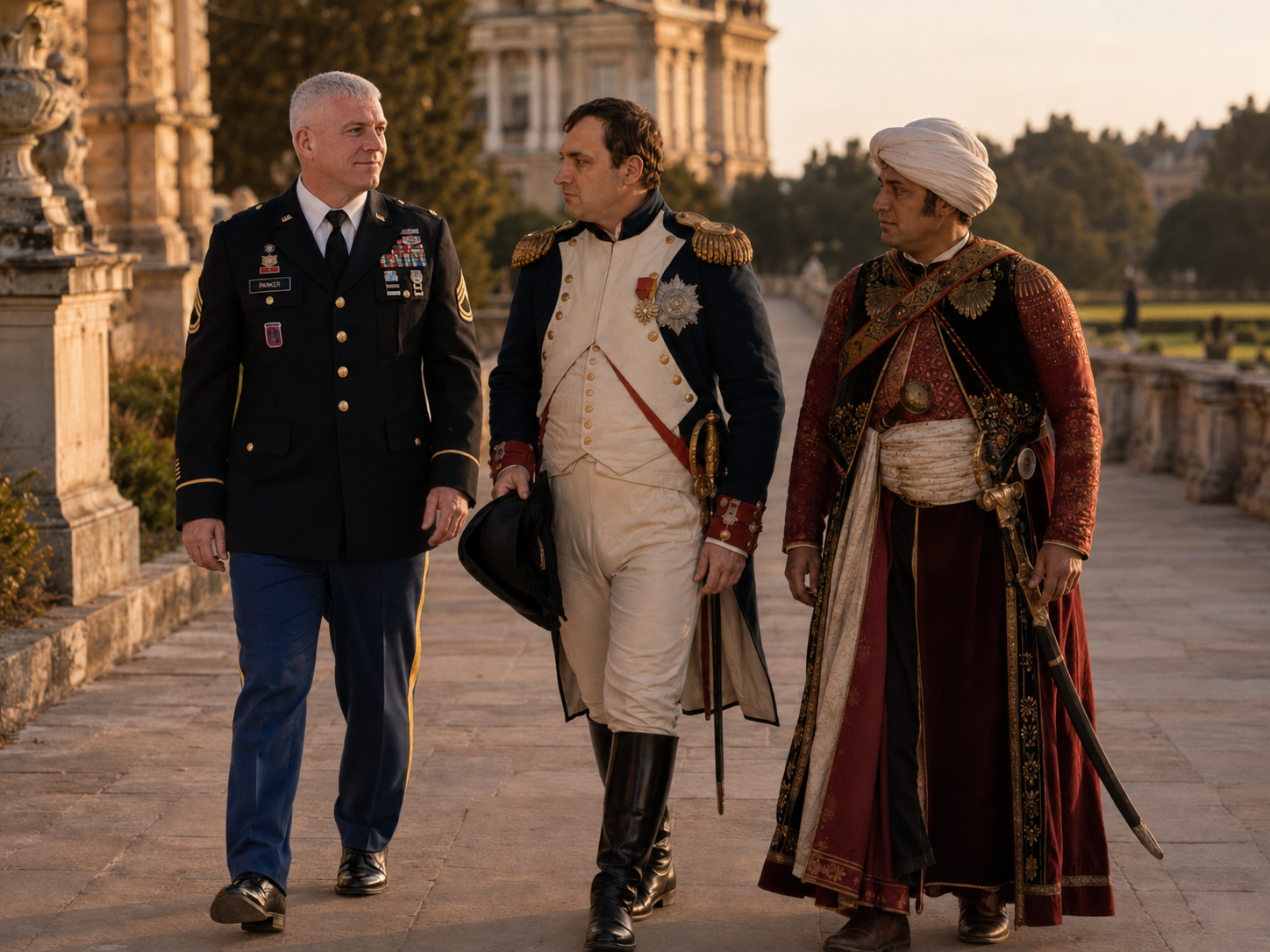
One of the easiest mistakes in historical analysis is to take what we know today and give it to someone in the past. George Washington did not have two hundred and fifty years of later research explaining the Revolution. Napoleon did not know how historians would eventually judge the events around him, and Abraham Lincoln did not know everything later investigators and historians would reconstruct about threats surrounding his presidency.
They were making decisions in real time, so their answers have to begin with the world they actually knew.
We also have to separate what the person knew then from what investigators and historians learned later. Court proceedings, government reports, later testimony, archival discoveries and years of investigation may give us a much clearer picture today than anyone had when the decision was actually made. We can use that later evidence to understand the event, but we cannot give it back to the person being interviewed as though they knew it at the time.
That also means we should not fill their answers with modern executive protection terminology. We may recognize similarities between historical security functions and modern protection, but that comparison belongs to us. It should not be placed into the historical figure’s mouth.
Why the Interviewer Matters
The historical person remains the subject, but the interviewer affects the direction of the conversation. A historian may ask Washington about the political implications of the Thomas Hickey affair, while I may be more interested in how Washington viewed loyalty, trusted access and the reliability of the men assigned close to him.
That does not mean I am trying to make Washington speak like a modern protection professional. It means my background affects the questions I choose to ask.
Other ISA instructors may approach a historical person from a different professional background. Someone with law-enforcement, intelligence, medical or other experience may see another part of the event and ask a different set of questions.
The interviewer provides the questions. The historical evidence controls the answers.
Sometimes the Historical Person Was Right
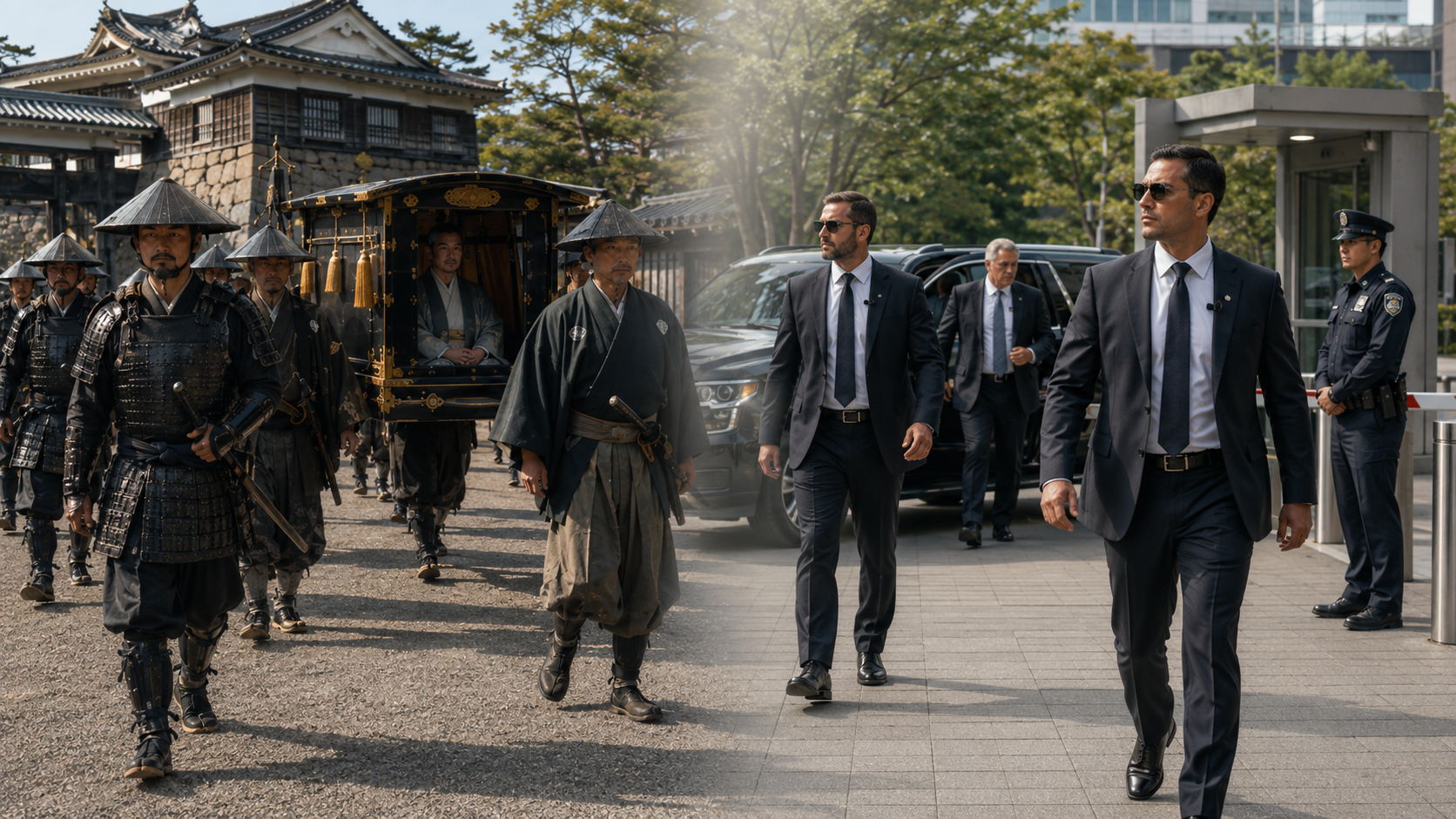 The series should not be built around the idea that everyone in the past made mistakes and modern protection professionals now know better. That would be both historically inaccurate and professionally arrogant.
Many of the people and organizations we examine understood security problems very well for their time. Their decisions sometimes worked, and in other cases the person being interviewed may help us understand why a particular security measure made sense based on the threat, resources and information available to them. We may also find that a historical organization recognized and addressed a protection problem long before modern executive protection developed the terminology we use to describe it today.
The purpose is not to look backward and explain why we know better; it is to understand what they knew, why they acted as they did, and what their experience can still teach us.
What the Images Are—and What They Are Not
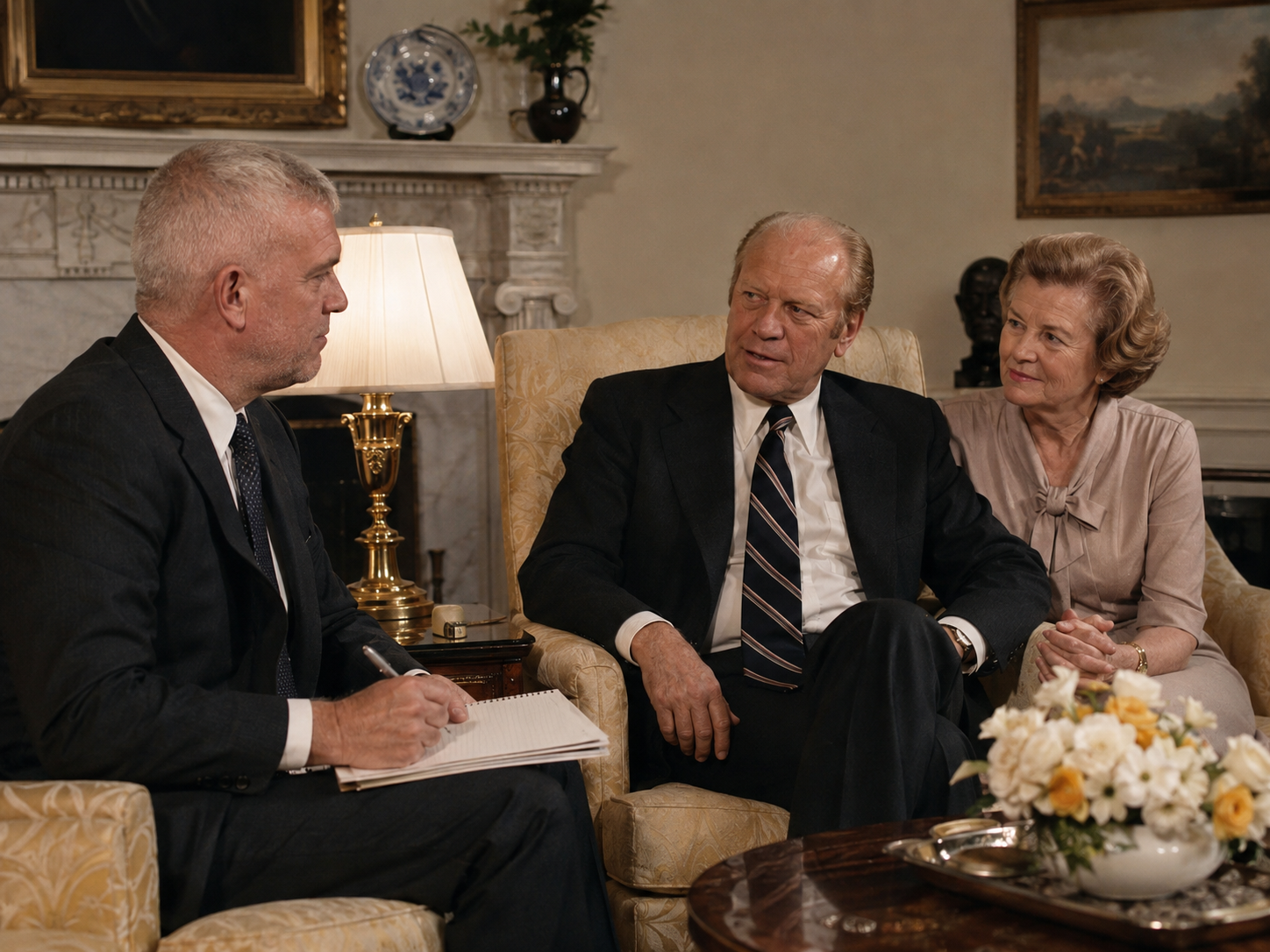
The images are part of the presentation. They help put the reader into the historical setting and make the simulated conversation easier to follow, but they are not historical photographs and they are not evidence that the meeting shown actually took place.
When readers see me sitting with George Washington, walking with Napoleon or speaking with another historical figure, the illustration represents the interview we have reconstructed.
The historical evidence supports the answers. The image supports the presentation.
What We Want Readers to Take From the Series
The purpose of these interviews is not to force every historical incident into a modern executive protection checklist. The purpose is to understand the people involved, the circumstances around them and the decisions they made, and only then compare what happened with protection problems we still face today.
One interview may teach us something about intelligence, another about trust, access or leadership, and another about political pressure, family, organizational responsibility or the relationship between a protectee and security. The lesson should come out of the historical event rather than being decided in advance and forced onto the history.
Historical Interviews and Case Studies
Readers can see the method applied across different periods and protection problems in the current series: George Washington and the Commander-in-Chief’s Guard, Napoleon and Executive Protection, The Assassination of Julius Caesar, Abraham Lincoln, Ward Hill Lamon and William H. Crook, Judge John H. Wood Jr., General George S. Patton, Toyotomi Hideyoshi and Honnō-ji, Grover Cleveland, and Henry Clay Frick.
Additional interviews and case studies are available through the EPTraining.us Executive Protection Blog.
Frequently Asked Questions
Are the historical interviews real?
No. The conversations are educational reconstructions. The historical figures did not actually sit down with Matthew Parker or other ISA instructors.
How are the historical answers developed?
The answers are reconstructed from documented historical evidence, including first-person accounts, letters, memoirs, court and government records, military records, biographies, contemporary reporting and archival material.
What role does AI play?
AI and virtual-persona technology help organize, analyze and present the research. They are not historical sources. Research comes first, and the historical record controls the reconstruction.
Why use an interview instead of a traditional historical article?
The interview allows us to examine an event from the perspective of the person involved: what that person knew, believed, experienced and understood at the time.
Are the images historical photographs?
Unless specifically identified as historical photographs, the images are visual reconstructions used to support the presentation of the simulated interview.
The Bottom Line
History Interviewed gives us a way to go back into a documented historical event and ask the people involved how they viewed it from their own perspective.
We use documented historical research to determine what the person knew, what they did, what they wrote, what they experienced and what they could reasonably have believed at the time. AI and virtual-persona technology help us turn that research into a conversation and visual presentation, but they do not decide what the historical person gets to say.
The interviewer asks the questions, and the historical evidence limits the answers. After we understand the person and the event from inside that historical moment, we can ask what an executive protection professional should learn from it.
The objective is not to prove that we would have done everything better. The objective is to understand what happened, learn from the people who were there, and make sure we do something better the next time.
The Interviewer Is Real. The Interview Is Simulated. The Answers Are Grounded in Documented Historical Evidence.
Now let’s go back in time.
Historical Reconstruction Notice
The EPTraining.us History Interviewed series consists of educational historical reconstructions. The interviews are not verbatim transcripts, newly discovered testimony or claims that Matthew C. Parker, Independent Security Advisors, EPTraining.us personnel or participating instructors actually spoke with the historical individuals portrayed.
Historical responses are reconstructed from documented facts, attributed statements, first-person accounts, primary and secondary historical sources, archival materials, government and military records, contemporary reporting and other credible evidence. The purpose is to represent, as accurately as the available evidence permits, how the historical person may have viewed the event from his or her own position, knowledge and circumstances.
Where evidence is disputed, incomplete or uncertain, that limitation remains part of the case. Artificial intelligence and virtual-persona technology are used as research, analytical and presentation tools. They are not treated as historical sources.
Images are visual reconstructions unless specifically identified as historical photographs.
Related EPTraining.us Resources
Learn more about ISA and its executive protection programs at:
Executive Protection Training Syllabus, Curriculum, Standards & Requirements
Dignitary & Executive Protection Specialist Program
EPTraining.us Executive Protection Blog
Historical Interview Articles
George Washington and the Commander-in-Chief’s Guard, Napoleon and Executive Protection, The Assassination of Julius Caesar, Abraham Lincoln, Ward Hill Lamon and William H. Crook, Judge John H. Wood Jr., General George S. Patton, Toyotomi Hideyoshi and Honnō-ji, Grover Cleveland and the Protection Question We Still Have Not Solved, and Henry Clay Frick — The Man Behind the Office Door.
Additional historical interviews, case studies and executive protection articles are available through the EPTraining.us Executive Protection Blog.
About Independent Security Advisors
Independent Security Advisors LLC (ISA) provides executive protection training and related professional education through EPTraining.us. ISA’s executive protection program was originally developed from law-enforcement training requirements and has continued to evolve for students and organizations from law enforcement, the military, government, corporate security and the private sector.
ISA treats executive protection training as an evolving professional discipline rather than a fixed presentation. Course material is reviewed regularly and updated as threats, technology, operational lessons, regulatory requirements and protective practices change. The program combines classroom instruction, analysis, practical exercises and operational application so students are expected to understand protective concepts and demonstrate how those concepts are applied.
About the Author
Matthew C. Parker is the CEO and Director of Training for Independent Security Advisors LLC and EPTraining.us. He is a retired U.S. Army noncommissioned officer with more than twenty years of military service and experience as a leader, trainer and instructor.
Parker’s work in executive protection training focuses on moving students beyond simply learning protective procedures and into understanding why decisions are made, what information those decisions are based on and how the different parts of a protective operation work together. His historical case studies and reconstructed interviews use that same approach by examining an event through the people who experienced it before comparing their experience with the problems faced by modern protection professionals.
Parker developed History Interviewed as another way to use documented history as a training tool. The historical figures remain the subject, the historical evidence controls the reconstruction, and the protection lesson comes from understanding the event rather than forcing a modern answer onto the past.
#HistoryInterviewed, #ExecutiveProtection, #ExecutiveProtectionTraining, #ExecutiveProtectionHistory, #HistoricalInterviews, #ProtectiveIntelligence, #SecurityHistory, #HistoricalCaseStudies, #ProtectionHistory, #HistoryAndSecurity, #LessonsFromHistory, #DignitaryProtection, #PresidentialProtection, #SecurityTraining, #ThreatAssessment, #IndependentSecurityAdvisors, #ISA, #EPTrainingUS, #MatthewParker