
 E-mail us
Putin’s Bodyguards: Secret Hand Signals and the Theater of Protection
Putin’s Bodyguards:
What Viral Videos Really Tell Us About the Russian Presidential Protective Detail
By Matthew C. Parker
Independent Security Advisors (ISA) | EPTraining.us
October 9, 2026
Executive Protection: Myth, Accountability, and Demonstrated Competence — Article One of Three
Abstract
Recent social-media posts and videos have generated considerable attention around Vladimir Putin’s protective detail, with commentators interpreting ordinary movements as secret commands and praising Russian bodyguards for their supposed extraordinary coordination and professionalism.
One widely circulated video dates to July 2019, and its alleged secret hand signal was already the subject of internet memes, jokes and commentary that same month. My experience with Russian protective personnel left me with a considerably different impression of their professionalism. Having worked internationally in protective operations and trained government security personnel in Eastern Europe, I approach these claims from an operational perspective, examining what the footage actually establishes and how protective personnel should be evaluated.
Bottom Line Up Front
Hand signals, discreet gestures, and nonverbal communication have long been used in executive protection. The renewed fascination with Putin’s supposed secret commands illustrates how easily routine protective activities can be misinterpreted when commentators lack the background, context, or operational knowledge necessary to understand what they are watching.
You simply can’t assign any great credit or bestow some undeserved standing of competence for using a time-honored method of communication between client and their detail.
The Fascination With Putin’s Protective Detail
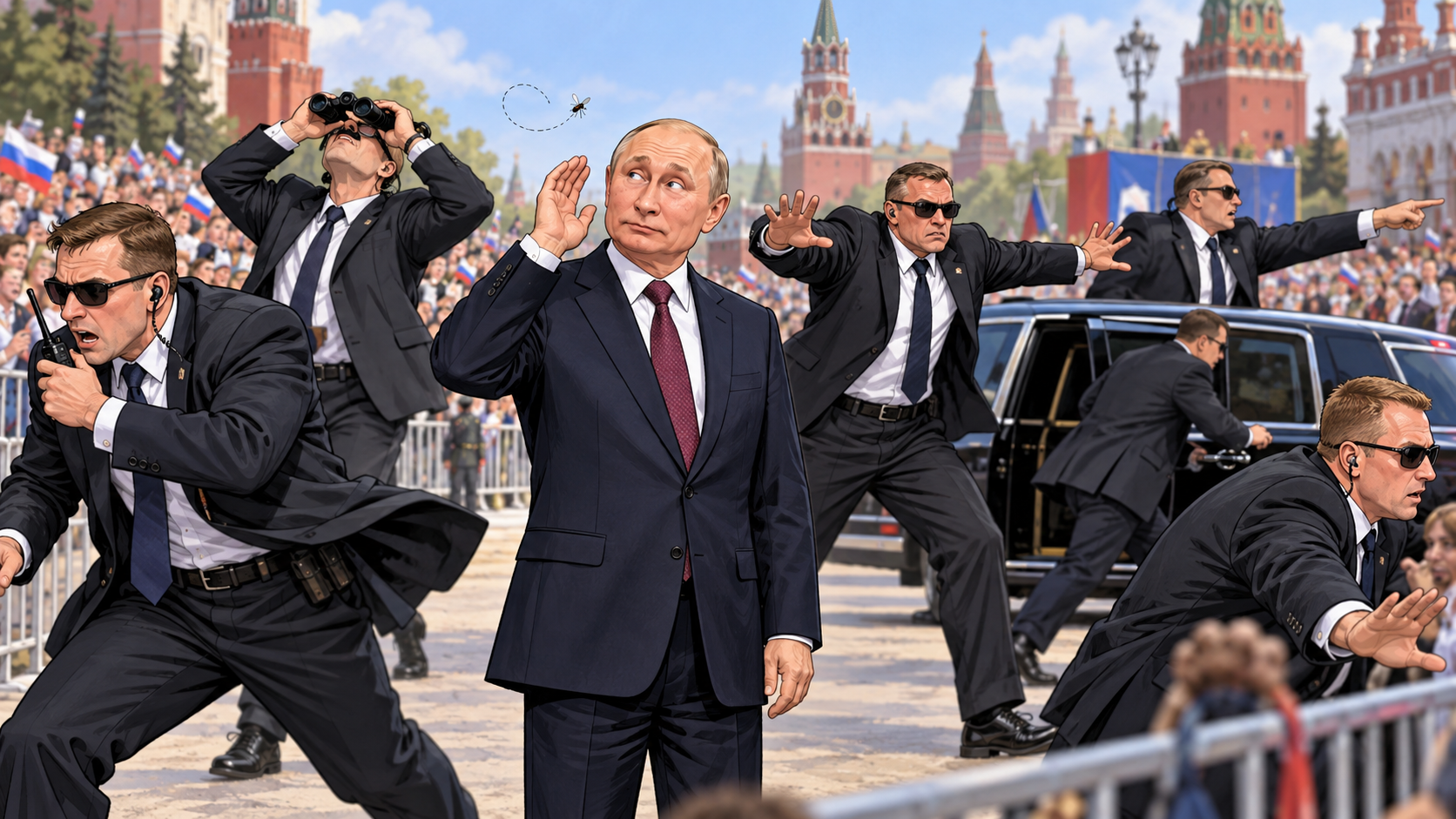
Articles and videos circulating on social media supposedly reveal a sophisticated system of secret hand signals through which Vladimir Putin communicates with his security personnel. Commentators describe the almost instantaneous response of his bodyguards, their intimidating appearance, and what they believe is an extraordinary level of coordination. Some legacy agents or organizations have gone further, suggesting that somehow Putin’s protective personnel are superior to those protecting other national leaders.
In my own experience with Russian protective personnel, I found their behavior boorish and, at times, less than professional. I did not come away with the impression of an organization whose visible conduct justified the admiration now being expressed by some across social media.
My concern for this apparent love fest is not whether Russian security officers are sufficiently performing their duties. It is that their professional competence is being judged by appearances rather than actual performance.
We see this problem frequently in executive-protection commentary. Someone posts a short recording of a protective movement, interprets the behavior of an agent or principal, and assigns a professional meaning to an action without establishing what occurred. The interpretation becomes a supposed fact, the fact becomes an example of exceptional training, and before long the video is being used to establish the superiority of an entire protective organization.
Little attention is paid to what happened before the recording began, what the protective team had planned, or whether the observed action accomplished a legitimate protective objective.
The Secret Hand Signal That Was Already Circulating in 2019
One of the more popular videos shows Putin preparing for a group photograph with students at Ural Federal University in Yekaterinburg, Russia. A tall student moves into position directly in front of Putin, partially blocking him from the camera. Putin moves slightly, touches his face near his nose, and someone accompanying the group subsequently moves the student. A shorter woman is positioned in front of the president.
The incident occurred on July 9, 2019. On July 23, the Russian website Memepedia published commentary about the video, describing the nose scratch as a supposed secret signal. The footage was already circulating as an internet joke, including comments suggesting that the tall student had committed the offense of standing in front of the Russian president.
The video is frequently presented as evidence that Putin used a discreet, previously established hand signal to instruct his security personnel to remove the student. But in truth a tall student was blocking the president during a photograph, someone recognized the problem and moved him, and oh by the way Putin touched his face during the sequence.
The recording does not establish that the gesture was an agreed-upon protective signal, that it was directed toward a member of the security detail, or that the movement of the student was caused by that gesture.
Even if Putin deliberately signaled someone to reposition the student, the action would hardly constitute an extraordinary protective accomplishment. Arranging people for a group photograph is normally an event-management or protocol function, not an advanced executive-protection responsibility.
July 23, 2019 — Original Russian commentary about Putin’s supposed hand signal
Another Supposed Secret Signal
A second circulating video presents Putin during an appearance with Donald Trump. Putin appears to adjust his sleeve or touch his wrist. Shortly afterward, security personnel begin clearing journalists and other individuals from the room. Commentators interpret the movement as a concealed instruction to end the press opportunity.
Meetings between national leaders operate under established schedules, protocols, and security arrangements. Members of the press are commonly permitted to enter for an opening photographic opportunity before being instructed to leave. Security personnel, diplomatic staff, advance teams, and protocol officers should already know when that transition is supposed to occur.
Without the original unedited recording, reliable identification of the specific meeting, and evidence of the communication system being claimed, the interpretation remains speculation. If the room was being cleared as part of a scheduled transition, the action should ordinarily have been anticipated by the event staff and protective personnel. An effective protective operation should not require the principal to personally direct every routine activity occurring around him.
Hand Signals Are Standard Executive-Protection Practices
Nonverbal communication has long been part of executive protection. Protective personnel use gestures, eye contact, positioning, radio transmissions, and established cues to communicate without unnecessarily attracting attention. A principal may use an agreed-upon gesture to communicate a change in plans, personal preference, or instruction without disrupting an event.
A properly coordinated protection team should already understand the event schedule, anticipated movements, access arrangements, communications procedures, and responsibilities assigned to individual personnel. There are legitimate reasons for a principal to communicate unexpected changes or personal instructions, but routine event management and the movement of authorized visitors should be anticipated during advance planning.
There are many examples of principals communicating discreetly with the people responsible for assisting and protecting them.
Queen Elizabeth II
Royal historian Hugo Vickers reported that Queen Elizabeth II used the position of her handbag to communicate with royal aides. Moving it from one arm to the other when she wanted to conclude a conversation and placing her handbag on a table signaled that she wanted an event to end within approximately five minutes. Twisting her wedding ring meant she wanted an aide to intervene more urgently.
This allowed her to communicate a personal preference without interrupting a public engagement. The gesture was directed primarily toward her aides rather than necessarily her personal protection officers.
Pope Francis
During a September 2015 visit to Washington, Pope Francis gestured to security personnel to bring five-year-old Sophie Cruz to him after she approached his motorcade. Security personnel accommodated his wishes, and the encounter was widely documented. The Pope’s gesture was not a secret code, but it communicated an instruction requiring an immediate response from supporting personnel.
In both examples, a principal communicated without the need for a lengthy verbal exchange. The actions themselves were uncomplicated. Their effectiveness depended upon the people supporting the principal recognizing the communication, understanding the circumstances, and responding appropriately.
Heaping Praise When Undeserved
Geneva, June 16, 2021: When an Event Goes Wrong
During the June 16, 2021 summit between Presidents Joe Biden and Vladimir Putin in Geneva, a confrontation developed involving journalists, security personnel, and officials attempting to manage access to the meeting. White House pool reporter Anita Kumar documented the disorder as members of the American and Russian press attempted to enter the venue.
According to the contemporaneous pool reports, Russian security officers pulled back a rope separating the media from the presidents and began physically pushing journalists, prompting objections from journalists and White House officials. Kumar reported being pushed several times and nearly knocked to the ground as people stumbled over the barrier.
The arrangements for press access, the responsibilities of participating security organizations, and the anticipated movement of journalists should have been addressed during advance planning. The incident documents aggressive physical intervention during a poorly coordinated event.
A protective team’s responsibility is not simply to dominate an area or physically control everyone within it. It is to maintain the appropriate security environment while allowing the event to proceed as intended. When an operation deteriorates into shouting, pushing, and unnecessary confrontations, the preparation and decisions that produced those conditions deserve examination.
June 16, 2021 — White House Pool Reports documenting the Geneva confrontation
Russian Presidential Protection Officers Exposed Travel Information — October 2024
On October 29–30, 2024, the French newspaper Le Monde published an investigation into the use of the Strava fitness application by presidential protection personnel from Russia. The investigation identified officers of Russia’s Federal Protection Service (FSO) whose publicly accessible activity records disclosed sensitive information associated with presidential travel. It demonstrated that sensitive movements associated with presidential protection were publicly exposed.
Among its other documented findings:
-
An FSO officer’s November 2019 running activity disclosed the hotel associated with Putin’s visit to Brasília before his arrival.
-
A September 10, 2023 activity record from another officer provided an advance geographical clue concerning Putin’s planned meeting with Kim Jong-un.
-
Other public records exposed patterns of protective personnel’s movements around sensitive locations.
Protective significance: These disclosures concern operational security, information management, and the ability of personnel to recognize how seemingly innocent personal activities can expose sensitive assignment information. Unlike an interpretation of a nose scratch, the publicly recorded location information could be independently examined.
Source: Le Monde — StravaLeaks: Putin’s Bodyguards.
What Demonstrates Professional Protective Competence?
So, we have busted the myth of the perfect russian protective detail. We have brought the light of truth about the magical hand signals, and now we end this article with a discussion on how an executive-protection professional should be evaluated.
Lets try preparation, coordination, judgment, and performance under various stressful conditions. Versus man handling reporters. The team must anticipate foreseeable problems, conduct adequate advance work, establish responsibilities, maintain effective communications, and manage developing situations without unnecessarily increasing the risks facing the principal.
Equally important is how the team responds when an event departs from the original plan. A principal may unexpectedly change direction, approach members of the public, or alter a scheduled activity. A crowd may move in a way that was not anticipated, transportation arrangements may be disrupted, or another organization may fail to perform an assigned responsibility. Those circumstances test whether protective personnel understand their responsibilities and can adapt appropriately.
The Russian protective team may look impressive during a scheduled public appearance that may be operating under carefully controlled conditions. And for those not familiar with Putin’s schedule, he is never outside “controlled conditions”. When coming to the United States he arrived with 120 security personal. His advance and mission planners controlled every minute of every event in their control. So let’s not crown them just yet.
The more demanding evaluation comes when something unexpected happens and its personnel must exercise judgment without the benefit of a prepared script. And when has that happened?
Conclusion: Protection Is Not a Performance for the Camera
The July 2019 university video shows a minor incident involving the arrangement of students for a photograph. The interpretation of Putin’s nose scratch as a secret signal was already circulating that year. The second video of Putin at the White House offers no independently authenticated explanation of the supposed wrist or sleeve signal. Neither recording provides a sound basis for judging the competence of the Russian protective detail.
My encounters with Russian protective personnel left me less impressed with their professional conduct than many of today’s commentators appear to be. The documented confrontation at the Geneva summit provides a more substantial opportunity to examine professional behavior because the management of access, crowd movement, coordination, and physical intervention can be assessed against what the operation was supposed to accomplish.
Executive protection is not a performance for the camera. It is a professional responsibility that demands demonstrated competence, not admiration for appearances. And secret hand signals are such a common procedure and method, and even if true, the Russians are no more professional than anyone else.
Sources and Supporting Documentation
Original Video and Contemporary Reporting
Memepedia — July 23, 2019: Putin’s Supposed Nose-Scratching Signal
Contemporary Coverage of Putin’s July 9, 2019 University Visit
Historical Examples of Nonverbal Communication
Harper’s Bazaar — How Queen Elizabeth Used Her Handbag to Signal Staff
Documented Protective Incident
American Presidency Project — White House Pool Reports, June 16, 2021
Frequently Asked Questions
Did Vladimir Putin use secret hand signals to direct his protective detail?
Videos circulating online have been interpreted as showing secret hand signals, but the available evidence does not authenticate those interpretations. Discreet nonverbal communication is common in executive protection.
Is the viral university photograph video new?
No. The incident occurred on July 9, 2019, and the supposed nose-scratching signal was already circulating in online commentary by July 23 of that year.
What experience informs Matthew Parker’s assessment?
Parker’s background includes international military and protective operations, firsthand encounters with Russian security personnel, and independently documented training and advisory assignments with Ukrainian and other government security organizations.
Does Parker acknowledge a potential anti-Russian bias?
Yes. Parker acknowledges that his volunteer service supporting Ukraine may influence his personal assessment of Russian institutions. He distinguishes those observations from documented incidents and established protective practices.
About the Author
Matthew C. Parker is CEO of Independent Security Advisors LLC (ISA) and Director of Training Operations for EPTraining.us. A retired U.S. Army senior noncommissioned officer, combat veteran, Department of Defense Master Instructor, and protective-services practitioner, Parker has more than three decades of military, government, executive-protection, training, and advisory experience in the United States and internationally.
His experience includes executive and dignitary protection, law-enforcement training, protective intelligence, and government security advisory assignments in Iraq and Ukraine. His international work has included evaluating and training personnel responsible for protecting senior government officials and judicial institutions.
My Experience With Eastern European Protective Services
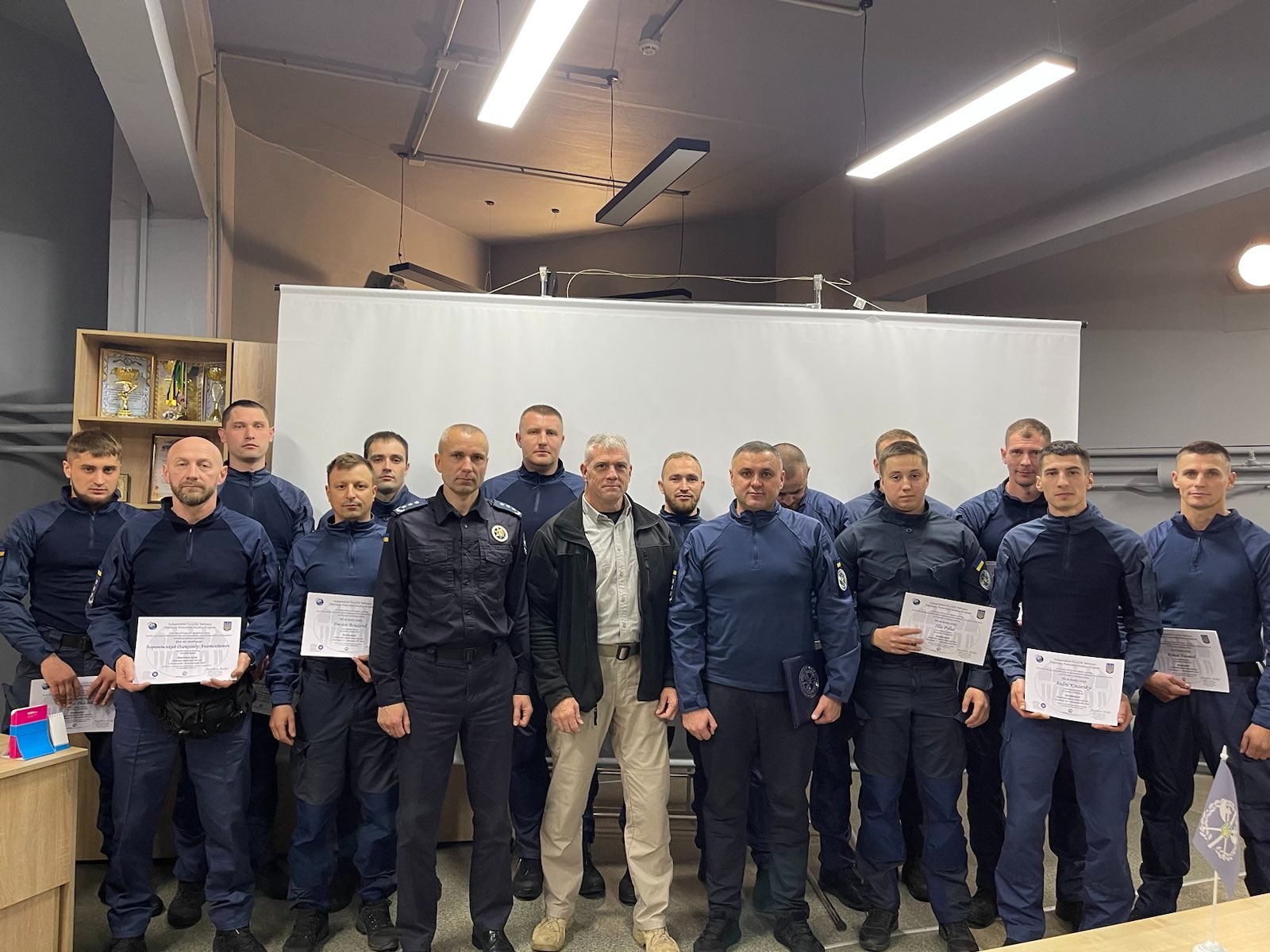
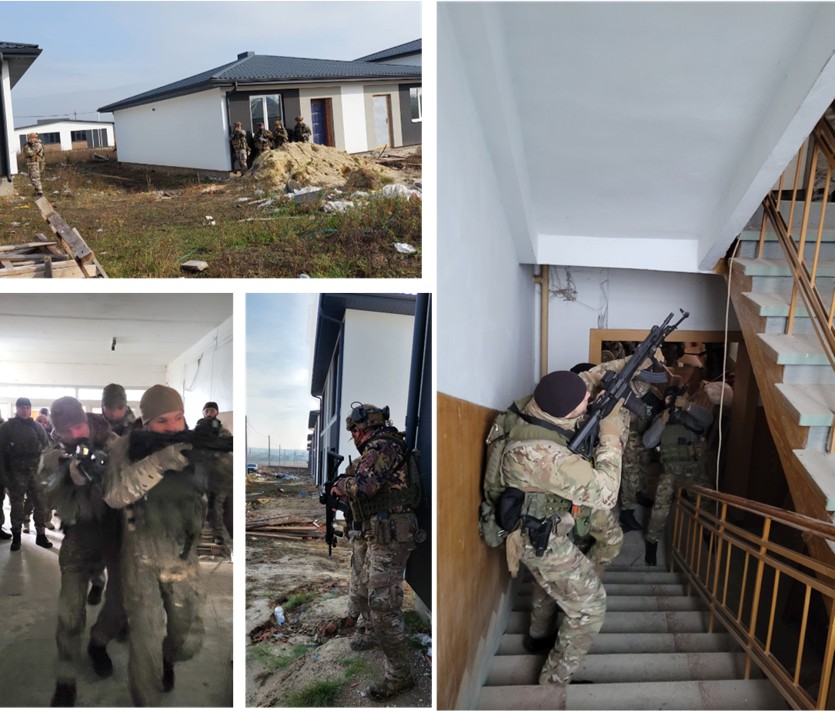
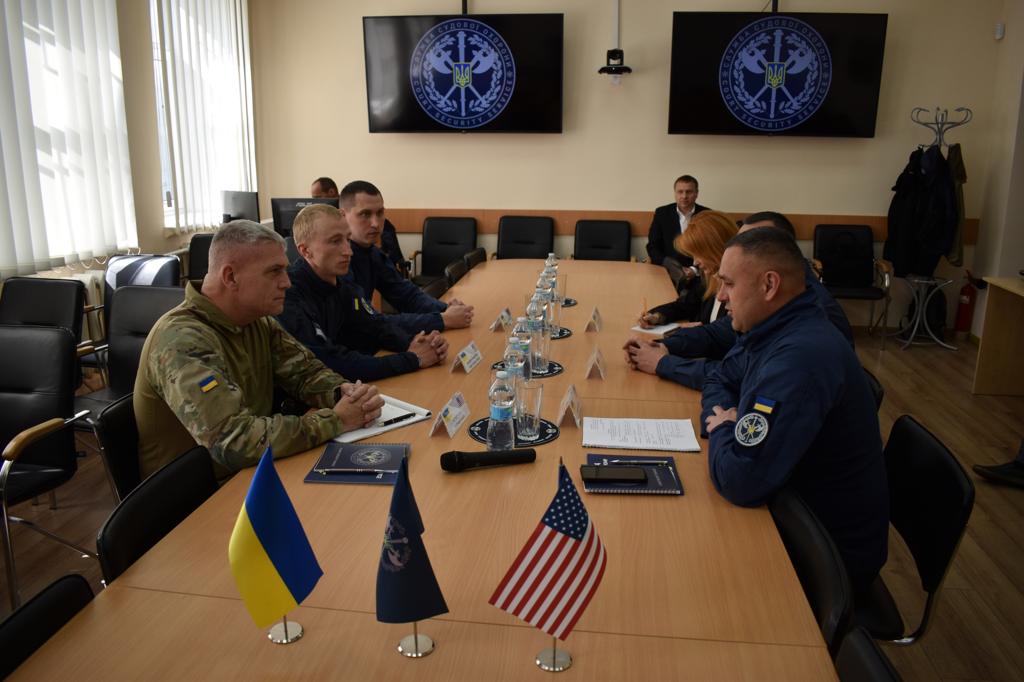
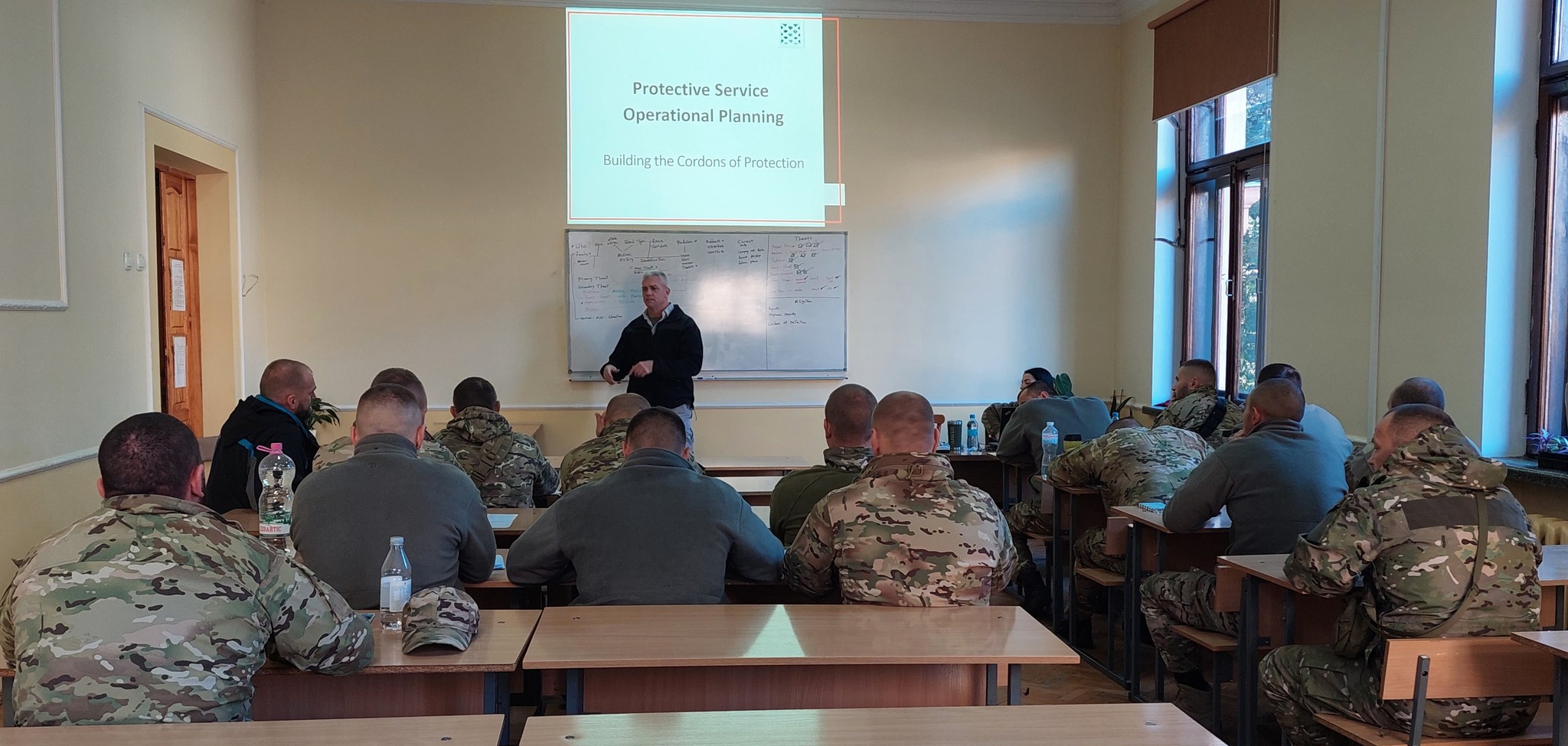
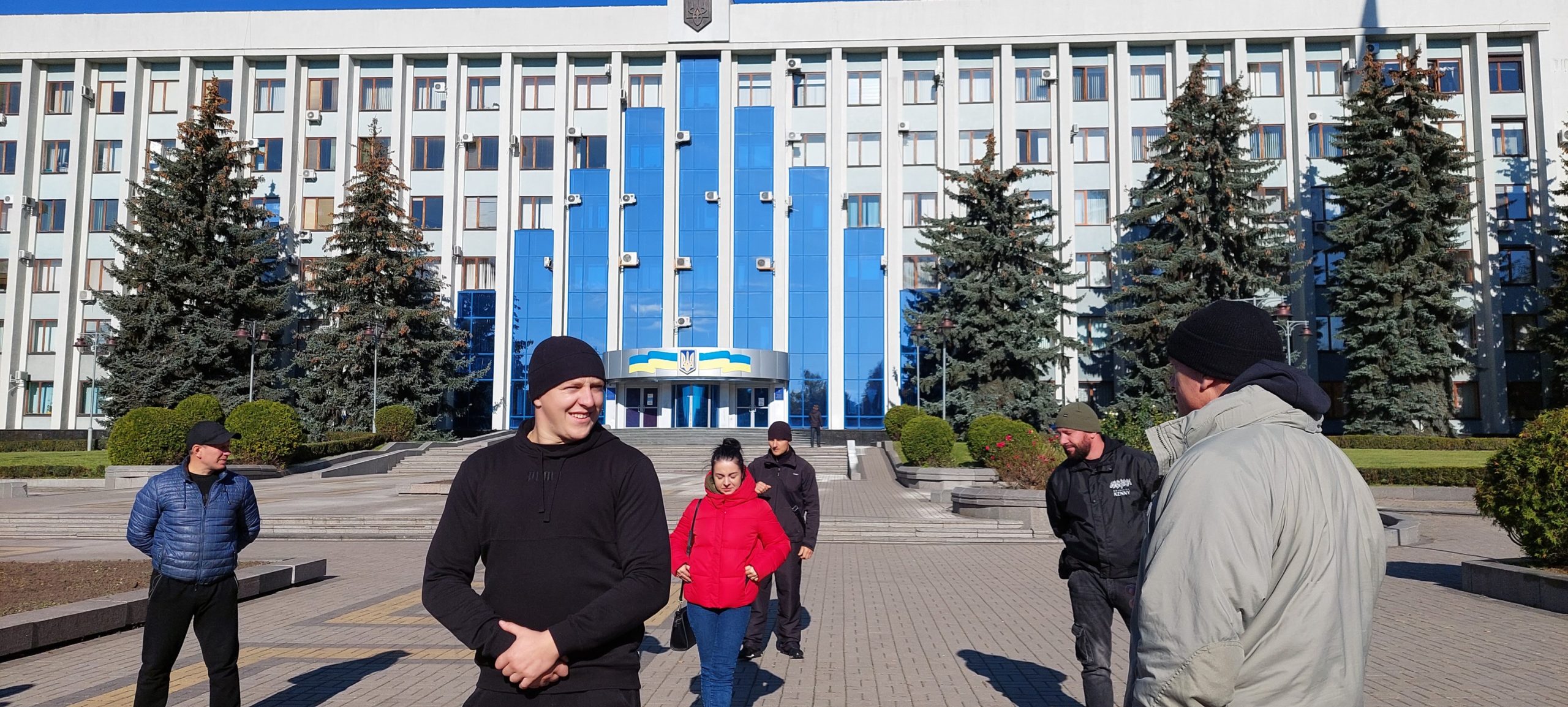
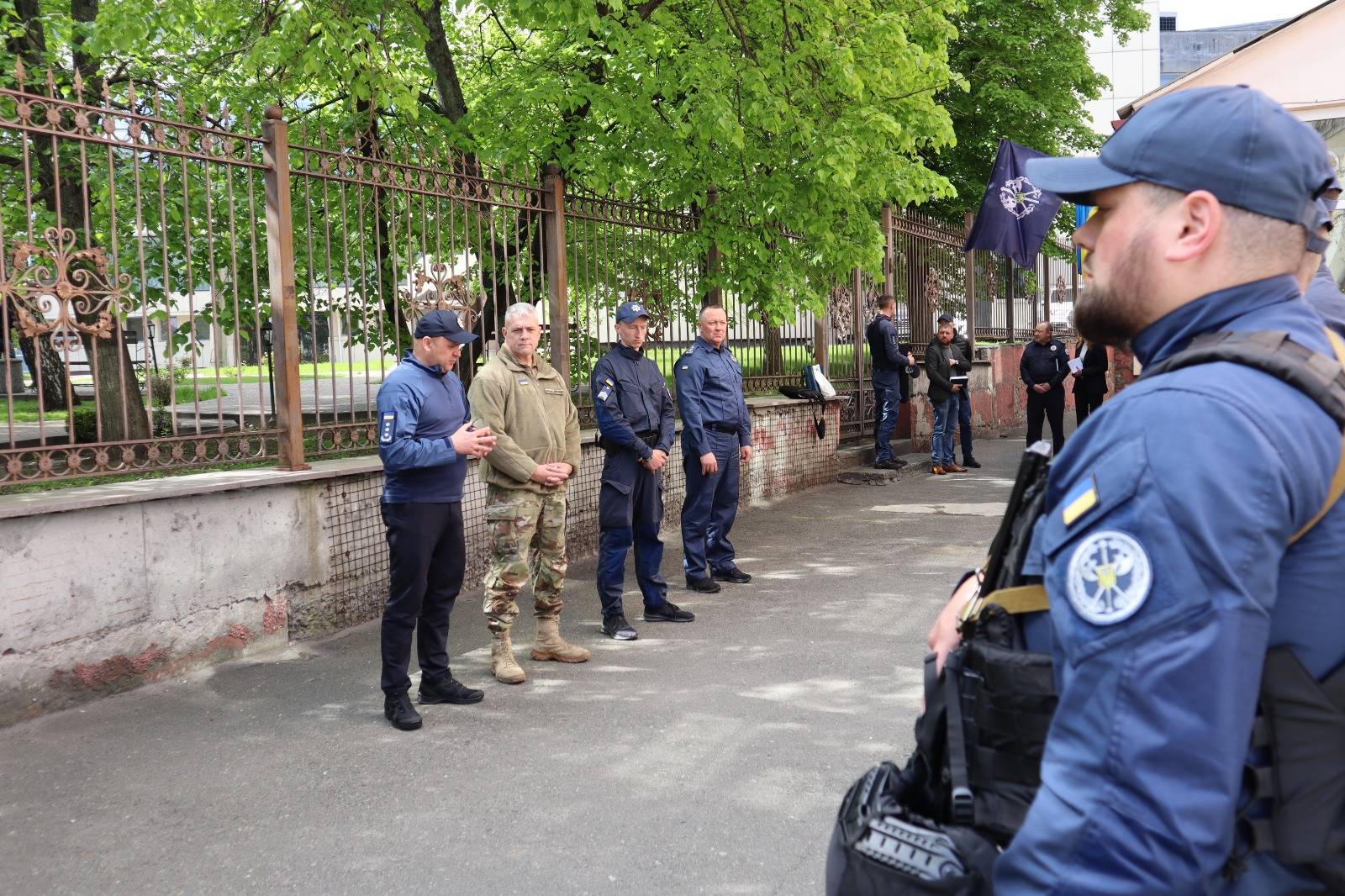
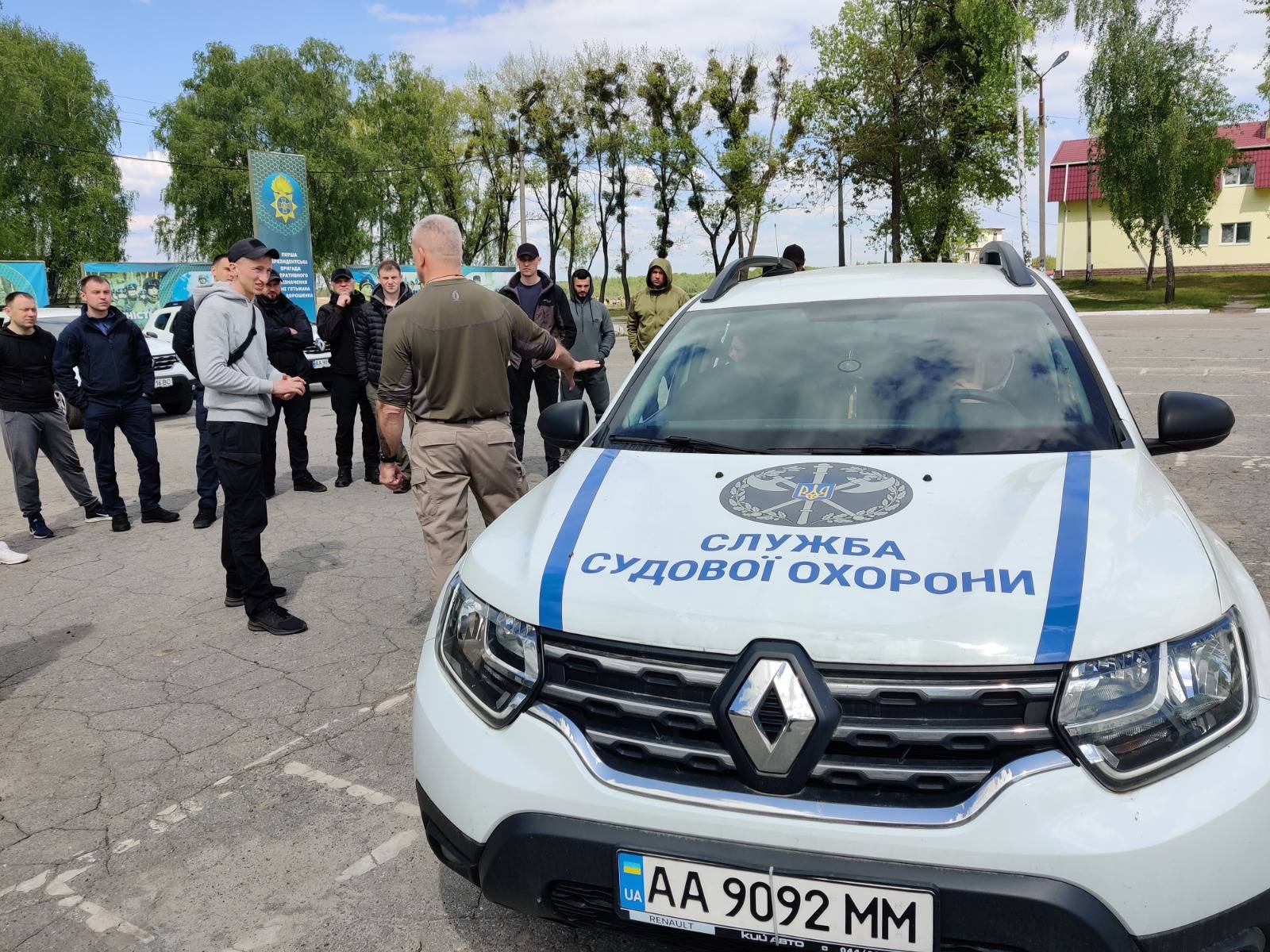
My opinions are based on first person direct observations of Russian protective personnel while working international protective assignments, and security advisory work in Europe. Followed by my voluntary service in Ukraine, where my responsibilities included advising on and performing dignitary-protection duties, and conducting training for Ukrainian police and Court Security Service personnel.
Note: Russia and Ukraine share elements of a common Soviet security history, although their contemporary protective organizations have developed differently. My experience in Ukraine provides me additional professional experience examining the responsibilities, practices, and performance of security personnel working within Eastern European institutions.
Disclosure: My Volunteer Service in Ukraine
It should be known and understood I voluntarily supported Ukraine following Russia’s invasion and I do not claim to be a neutral observer of that conflict. My experiences may influence my opinions concerning Russian government institutions, and readers should consider that possibility when evaluating my observations about Russian protective personnel. Those opinions remain separate from the documented dates, incidents, and protective practices examined in this article.
Ukrainian Court Security Service — May 16, 2023: Matthew Parker, Learning by Teaching Others
Hashtags:
#ExecutiveProtection #Putin #ProtectiveServices #Bodyguards #SecurityTraining #ProtectiveOperations #IndependentSecurityAdvisors #EPTraining #MatthewParker #SecurityStandards #DignitaryProtection #Russia #Ukraine